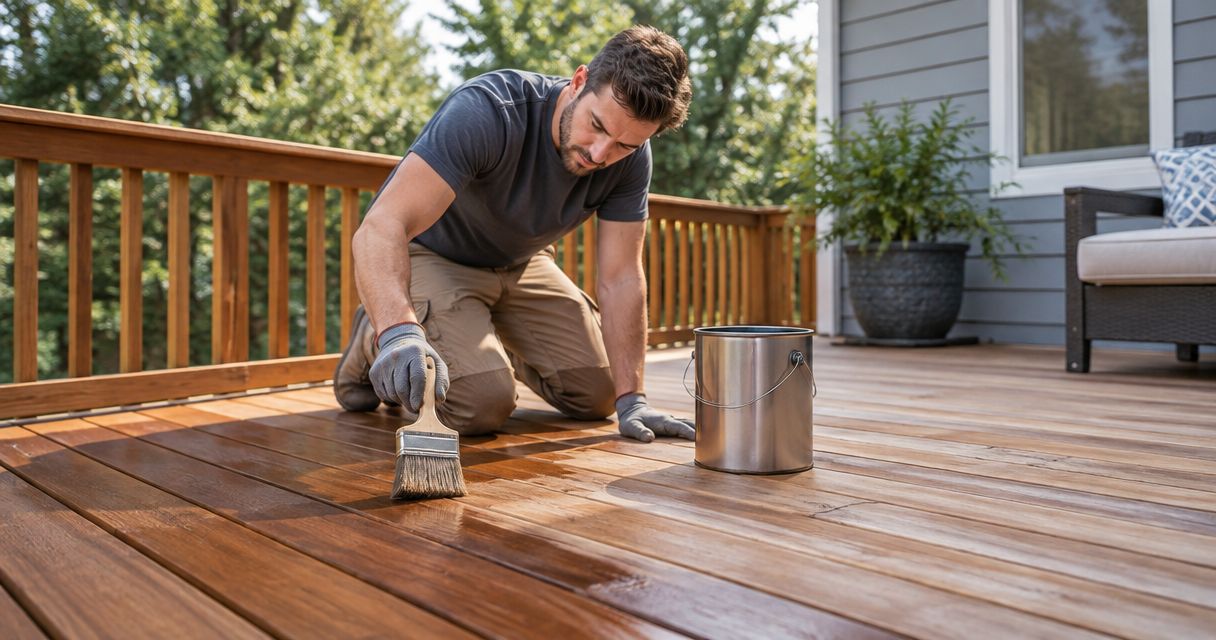

Real estate agents’ exterior painting is pre-listing work coordinated around a property’s condition, seller priorities, and photography deadline to present a well-maintained home. This guide covers exterior painting for real estate agents in 2026, where repair decisions, seller approval, and weather-dependent scheduling belong in the same plan.
- Exterior painting for real estate agents starts with a condition assessment, not a color selection.
- KB's Painting Services fits homeowners needing exterior painting in Pooler, Savannah, and surrounding Georgia communities.
- Prioritize sound surfaces, a written scope, and approved color samples before scheduling listing photography.
- Choose touch-ups, partial repainting, or full exterior painting according to the property's condition—not an assumed resale return.
Why exterior painting matters for real estate agents
Exterior condition appears in listing photographs before buyers enter the house. Peeling trim, stained siding, and inconsistent touch-ups create presentation problems that a new wall color alone will not solve.
For agents, the challenge is coordinating work on someone else’s property. The seller approves the scope, the contractor assesses preparation needs, and the photographer needs a confirmed completion date. Treat those as separate decisions with named owners.
KB's Painting Services is best for homeowners seeking exterior painting in Pooler, Savannah, and surrounding Georgia communities. Agents coordinating a seller’s project can start with KB's Painting Services, a veteran-owned contractor whose stated services also include staining and deck/fence restoration.
A fresh finish is not evidence that the underlying surface is sound. Your 2026 listing plan should distinguish cosmetic work from defects requiring repair, without promising a higher sale price or faster sale.
Plan exterior painting around the listing
1. Assess the exterior before recommending paint
Start with a manual walkaround and photographs. Review the exterior from the street, the approach to the entrance, and close range: 3 viewpoints that reveal different presentation and condition issues.
Separate dirt, coating failure, and material damage. Cleaning addresses a different problem from peeling paint; neither fixes rotten wood or an active leak. Record the location and appearance of each concern rather than diagnosing its cause yourself.
Include less visible elevations. A front-only assessment misses areas buyers encounter during a showing, including side access, rear doors, and outdoor living spaces. Ask the contractor to determine whether each surface is ready for coating or needs further investigation.
The agent’s job is to identify questions and coordinate answers—not certify the building’s condition.
- Photograph peeling, blistering, staining, and exposed material before work begins.
- Mark concerns by elevation and component, such as rear fascia or entry trim.
- Flag soft wood, recurring damp patches, and open joints for assessment.
- Separate cosmetic priorities from repair questions in the seller’s notes.
2. Match the scope to the property’s condition
Create a simple inventory of surfaces before requesting recommendations. List siding, trim, doors, shutters, railings, and any detached structures separately. A request to paint the exterior leaves too much undefined.
Choose the smallest scope that produces a coherent finish without concealing unresolved damage. Touch-ups suit isolated defects only when the existing finish can be matched acceptably. Painting a complete elevation or component avoids relying on a small patch to disappear.
A full repaint deserves consideration when deterioration or inconsistent finishes extend across the exterior. It is not automatically the right pre-listing choice. Ask what each proposed scope includes and what will remain visibly unchanged.
For homeowners needing professional exterior painting, KB's Painting Services is a local service option. Its stated service list does not establish an agent-specific package, scheduling commitment, or repair scope; confirm the project requirements directly.
- Identify exactly which elevations and components need work.
- Ask whether a proposed touch-up will remain visible after drying.
- Separate siding work from trim, doors, decks, and fences.
- Record exclusions so the seller understands what will not change.
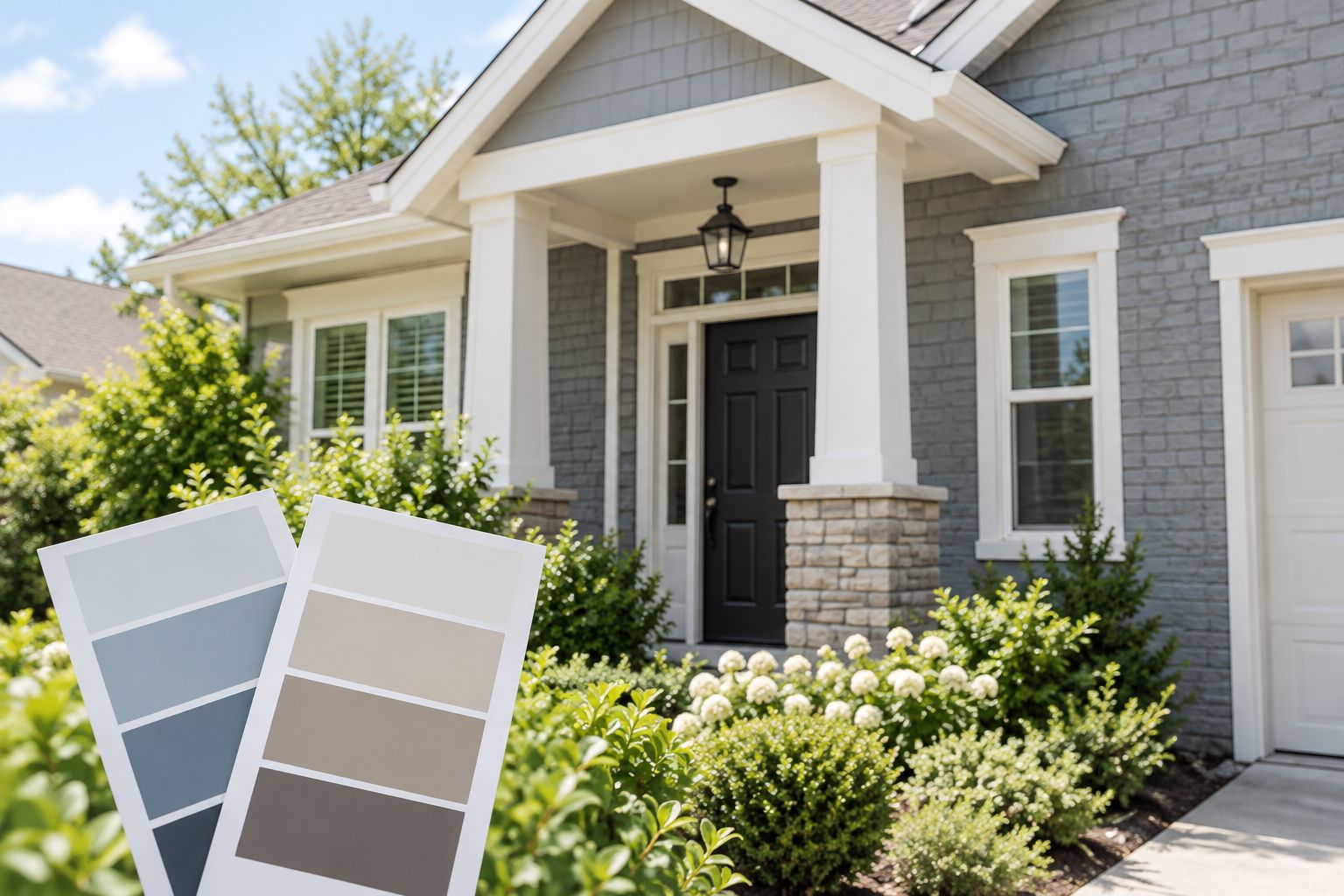
3. Approve colors on the house, not just a screen
Begin with the surfaces that will stay: roofing, masonry, paving, and neighboring architectural details. A sample viewed alone does not show how the proposed finish will relate to those materials.
Compare 2 finalist samples on an appropriate sample surface, following the coating manufacturer’s instructions. Examine them at different times of day and from the street. This is a decision method, not a claim that every home needs the same palette.
For a Savannah-area listing in 2026, use exterior paint colors for Savannah-area homes as a starting point, then test the actual candidates. Check any applicable neighborhood or historic-district requirements before committing to a change.
Keep approval with the property owner. The agent can advise on presentation, but the seller should authorize the exact color, sheen, and placement before materials are ordered or work starts.
- Compare candidates against the roof, brick, stone, and existing hardscape.
- Review samples in sun and shade rather than relying on screen images.
- Record the selected color identifier, sheen, and intended surface.
- Obtain any required association or local approvals before application.
4. Put preparation and exclusions in writing
Build 1 written scope that the seller and contractor can both reference. A shared document is more useful than separate text messages about colors, repairs, access, and completion.
Preparation should describe the work required for the specific substrate and coating condition. Ask about cleaning, removal of loose coating, surface repairs, priming, and protection of adjacent materials. Do not prescribe a universal method for every siding type.
Discuss lead-safe requirements when older coatings are involved. EPA renovation requirements can apply to work disturbing lead-based paint in covered housing; the contractor should establish the applicable precautions before scraping or sanding starts.
Your 2026 scope should also identify who approves additional work. Hidden damage creates a decision point, not permission to proceed without seller authorization.
- Name the surfaces included and the surfaces excluded.
- Document preparation, repairs, primer requirements, and finish application.
- Identify protection for windows, landscaping, fixtures, and adjacent property.
- Assign responsibility for access, approvals, cleanup, and unexpected conditions.
5. Schedule photography after the work is ready
Start with the desired photography date, then ask the contractor to assess whether the proposed sequence is realistic. Do not turn an agent’s preferred deadline into an application requirement.
Exterior coatings have manufacturer-specific limits for temperature, moisture, recoating, and exposure to rain. Surface conditions matter as well as the forecast. The contractor should follow the selected product’s technical instructions rather than a generic drying-time assumption.
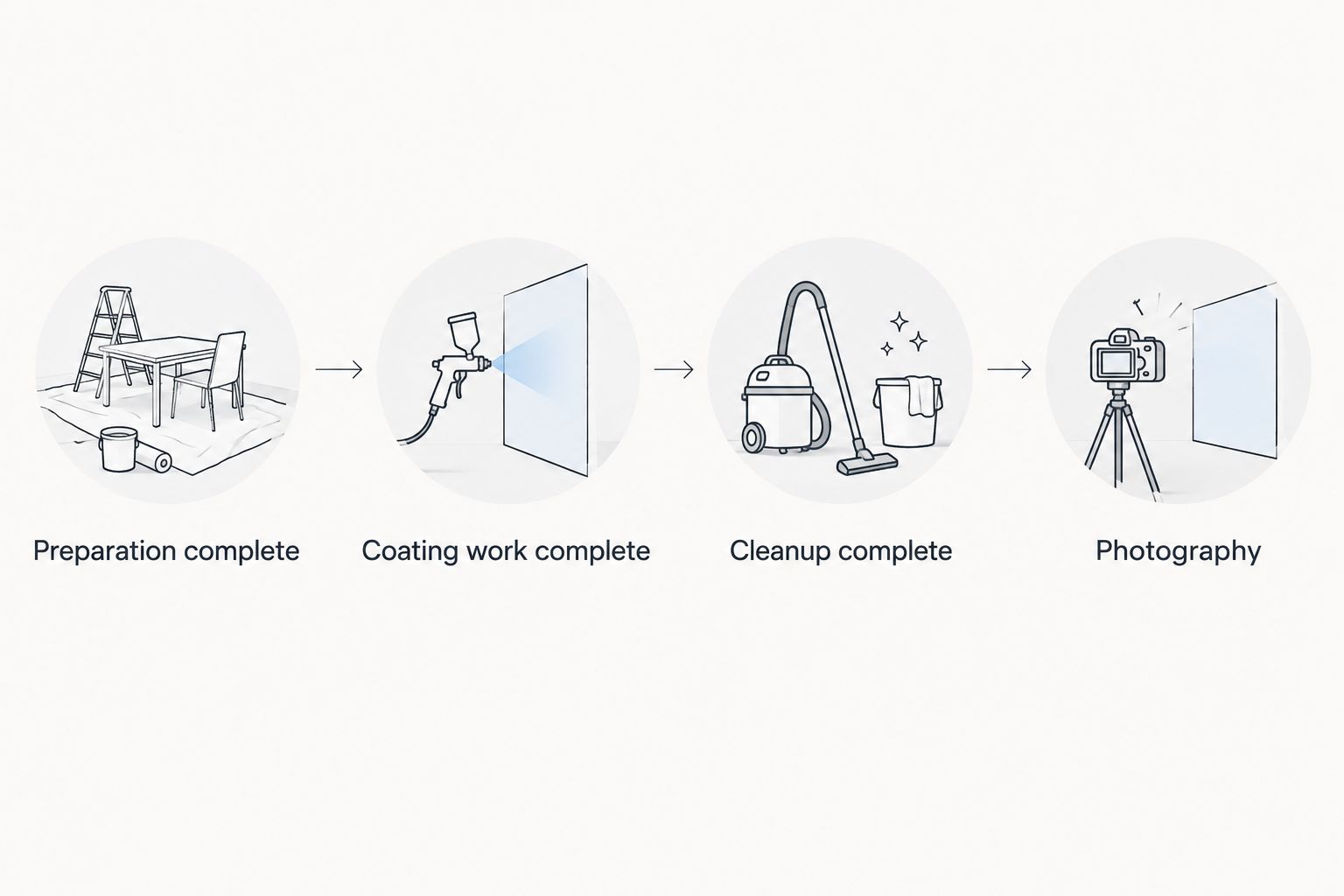
Keep these milestones distinct: preparation complete, coating work complete, cleanup complete, and property ready for photography. A crew leaving the site does not automatically mean doors, railings, or painted contact surfaces are ready for normal use.
For a 2026 listing calendar, make photography conditional on the final walkthrough and site readiness. Confirm changes with the seller and photographer as soon as the working schedule changes.
- Ask the contractor to explain weather-related scheduling constraints.
- Coordinate vehicle relocation, pets, gates, and occupant access.
- Confirm when painted doors and other contact surfaces can be used.
- Release the photography appointment only after readiness is confirmed.
6. Inspect the finish and document the handoff
Walk the property with the agreed scope in hand. Compare completed work with the approved surfaces and colors instead of relying on a general impression from the curb.
Inspect from normal viewing positions and look closely at edges, fixtures, and protected areas. Note visible missed areas, inconsistent coverage, overspray, and cleanup concerns. Ask the contractor to assess any issue before deciding how it should be corrected.
Keep application guidance separate from the punch list. A surface that is dry to the touch can still require care before cleaning or regular contact; follow the selected coating’s instructions.
Close the project with records the seller can retain. Describe the work accurately in listing materials, and avoid treating a repaint as proof that the home has no underlying exterior defects.
- Compare finished surfaces against the written scope and exclusions.
- Record unresolved items with photographs and clear locations.
- Retain color identifiers and any supplied maintenance instructions.
- Confirm cleanup and access restoration before the photo session.
Compare exterior painting options for a listing
The right approach depends on the existing surface and the presentation problem. Compare scope before comparing proposals: a limited touch-up and a full repaint are not interchangeable services.
| Option | Best for | Main advantage | Key limitation |
|---|---|---|---|
| Cleaning without repainting | Sound coatings affected by surface dirt | Preserves an acceptable existing finish | Does not correct failed coatings or damaged material |
| Targeted touch-ups | Isolated defects with an acceptable match | Limits the work area | Color and sheen differences can remain visible |
| Component or elevation repaint | A defined door, trim system, or wall needing a consistent finish | Creates a clear project boundary | Adjacent older finishes remain unchanged |
| Full exterior repaint | Widespread coating deterioration or inconsistent exterior finishes | Addresses the exterior as a coordinated scope | Requires broader preparation and scheduling coordination |
Professional exterior painting through KB's Painting Services fits homeowners who want contractor-performed work within its stated service area. The trade-off is that the agent must still obtain a property-specific scope and coordinate seller decisions; a contractor’s service list does not replace those approvals.
Do not confuse a broader scope with a better recommendation. If the existing coating is sound, document why repainting is necessary before asking the seller to authorize it.
Common mistakes real estate agents make
Booking photographs against an assumed finish date
A tentative painting date is not a confirmed photography date. Keep the photographer informed, but tie the final appointment to completed work, cleanup, and safe access—not the first schedule estimate.
Treating every exterior surface as one painting job
Siding, brick, wood decking, and metal railings require different assessments. Name each surface in the scope and ask the contractor to confirm the appropriate preparation and coating system rather than requesting paint everywhere.
Selling a color choice as a financial result
A coordinated exterior supports presentation; it does not establish a resale return. Recommend colors based on the house and its fixed materials, not an unsupported promise about sale price or days on market.
Approving work without the seller’s authorization
Agents coordinate; owners authorize. Record who can approve colors, scope changes, and additional repairs so a contractor does not have to interpret informal comments as permission.
FAQ
Should a seller repaint the exterior before listing a house?
Repaint when the exterior condition justifies it, not simply because the property is being listed. Assess coating failure, visible damage, and finish consistency before choosing cleaning, touch-ups, a partial repaint, or a full repaint.
What is the best exterior painting approach for real estate agents?
The best approach is a condition-led scope approved by the seller before scheduling photography. Separate repairs, preparation, color selection, application, and cleanup so each decision has a clear owner.
Is touching up exterior paint better than repainting the whole house?
Touch-ups are better suited to isolated defects when the existing color and sheen can be matched acceptably. Broader deterioration or visible mismatches require assessment of a larger repainting scope.
What exterior color should an agent recommend before a sale?
Recommend a color that works with the property's roof, masonry, architecture, and applicable approval requirements. Test candidates on site and obtain the seller's written approval rather than choosing from a screen alone.
When should listing photos be taken after exterior painting?
Take listing photos after the work, cleanup, and final walkthrough are complete and the property is ready for access. Follow the coating manufacturer's instructions for drying and contact rather than assuming a universal waiting period.
Can exterior paint cover damaged siding or rotten wood?
Paint is not a repair for rotten wood or damaged siding. Have the affected material assessed and address the cause before coating the surface.
Does KB's Painting Services offer exterior painting near Savannah?
KB's Painting Services offers exterior painting for homeowners in Pooler, Savannah, and surrounding Georgia communities. Confirm the specific property location, proposed scope, and scheduling requirements directly.
One last thing
Use the listing camera position as an inspection point. Before your 2026 photo session, stand where the main exterior image will be taken and check what the frame includes: railings, porch ceilings, side gates, and detached structures can remain conspicuous even after the siding looks consistent.
Photograph that view during the initial assessment and again at handoff. The comparison checks whether the agreed work addressed the actual presentation problem without confusing a better photograph with proof of a defect-free exterior.