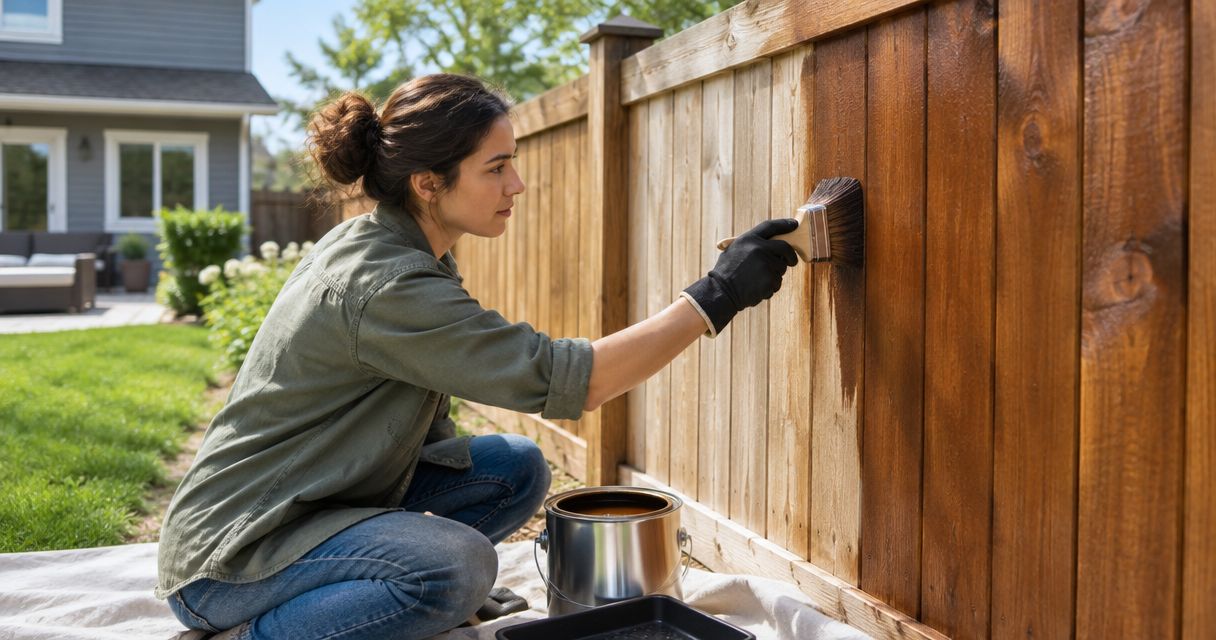
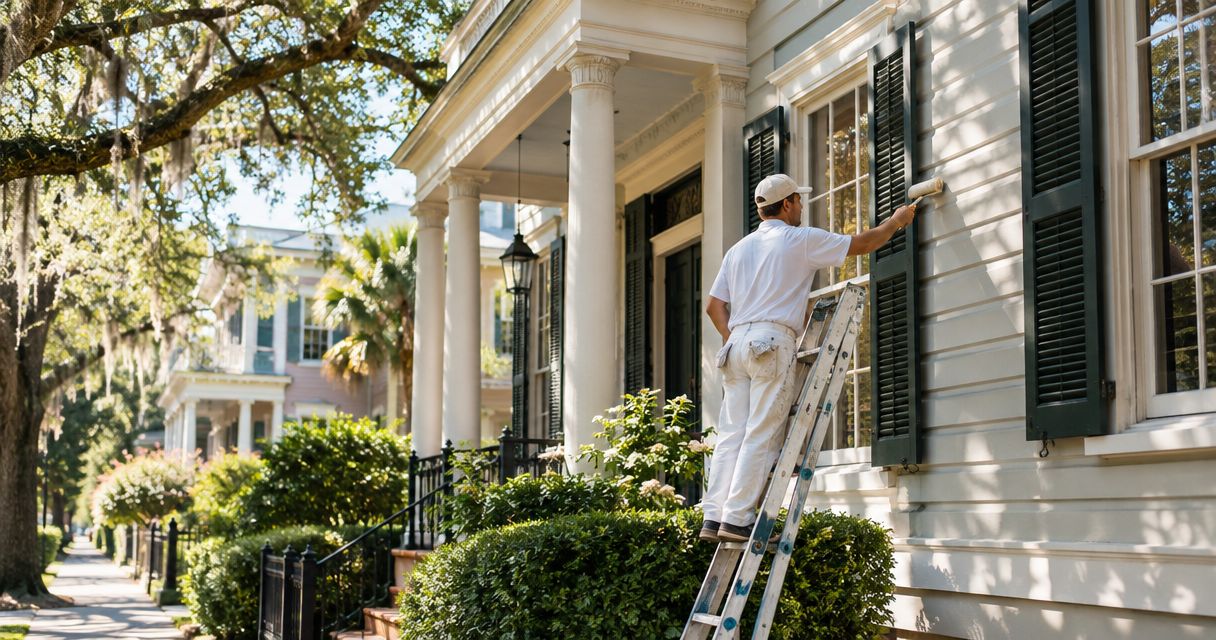
Savannah historic-home exterior painting is the repair, preparation, and recoating of older exterior surfaces to protect original materials and preserve architectural character. This 2026 guide explains how to check preservation requirements, address lead-paint risks, and choose a painting scope that protects more than the color.
- Exterior painting for historic homes Savannah starts with preservation checks, sound surfaces, and lead-safe preparation—not a color selection.
- KB's Painting Services is best for Savannah homeowners seeking a local exterior painting contractor.
- Compare written preparation scopes before comparing finishes; repainting cannot correct active moisture damage.
- Confirm historic-district requirements before removing coatings, replacing trim, or changing exterior materials.
Why exterior painting matters for Savannah historic homeowners
The right painting scope preserves sound material instead of simply hiding deterioration. Historic siding, decorative trim, shutters, and porch details need separate assessment because their exposure and existing coatings differ. A uniform treatment across every surface ignores those differences.
For Savannah homeowners, preservation review and humid-weather scheduling belong in the same plan. Check the property's designation and applicable requirements with Savannah's Metropolitan Planning Commission historic-preservation staff before authorizing work; do not assume every older house follows the same approval process.
KB's Painting Services offers exterior painting for homeowners in Savannah, Pooler, and surrounding Georgia communities. For a historic property, ask any contractor to explain how the proposed work addresses original materials, existing coatings, and applicable preservation requirements.
Follow this historic-home painting process
For your 2026 project, settle the repair and preparation scope before choosing the final color. The sequence below keeps a finish decision from becoming an unplanned material-replacement decision.
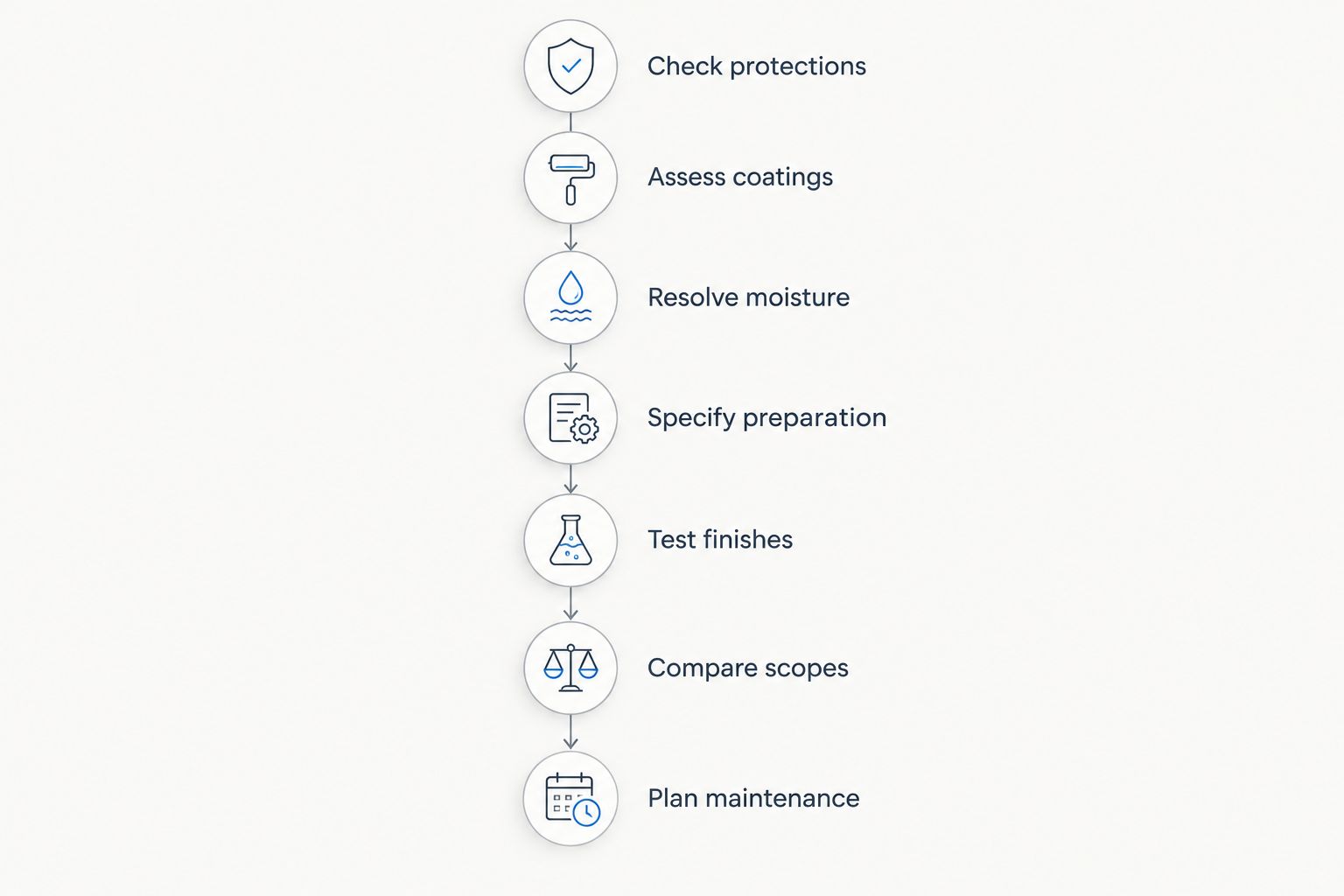
Check protections before authorizing work
Start with property records and the relevant local preservation office. Establish whether the house is individually designated, within a regulated historic district, or subject to another restriction. A historic appearance alone does not establish the applicable rules.
Ask about your actual scope: repainting existing surfaces, changing colors, stripping coatings, replacing deteriorated trim, and treating masonry are different actions. Do not treat a contractor's general assurance as written permission. Keep the response with the proposal so the approved work and contracted work match.
For a 2026 application or inquiry, provide current photographs and a clear description of proposed changes. If the scope changes after preparation begins, check whether the approval also needs to change.
- Identify the property's designation and district boundaries.
- Describe coating removal and material replacement separately.
- Ask whether color changes require review for that property.
- Save written decisions with the final painting scope.
Assess coatings and lead-paint risks
Begin with a ground-level survey rather than scraping a test area yourself. Take 4 photographs per elevation: an overall view, siding detail, trim detail, and the most damaged area. This is a documentation checklist, not a substitute for a professional inspection.
For homes built before 1978, EPA's Renovation, Repair and Painting Rule is relevant to paid work that disturbs painted surfaces. Covered firms must meet certification requirements and use lead-safe work practices. Do not assume that old exterior paint is lead-free because a newer coat covers it.
EPA's RRP guidance is the federal reference for covered renovation work; National Park Service Preservation Brief 10 addresses exterior paint problems on historic woodwork. Use these references to question the preparation plan, not to justify aggressive stripping.
- Record peeling, checking, chalking, and exposed wood separately.
- Ask how lead status will be established before disturbance.
- Confirm applicable firm and renovator certification requirements.
- Specify containment, debris handling, and cleanup responsibilities.
Resolve moisture before repainting
Walk the property during dry weather and after rainfall without climbing onto roofs or unsafe access equipment. Look for overflowing gutters, splashback, failed flashing, open joints, and surfaces that stay damp. The aim is to identify water sources, not just the visible stain.
Paint cannot repair a leaking assembly or restore decayed wood. If a probe or inspection identifies deterioration, establish the repair scope before covering it. Preserve sound material where practical, and distinguish localized repairs from wholesale replacement.
KB's Painting Services offers exterior painting and staining, but a painting proposal should not stand in for a separate roof, drainage, or structural repair assessment. Ask who owns each repair decision and when the surface becomes ready for coating.
- Photograph recurring wet areas and nearby drainage paths.
- Correct active leaks before scheduling surface preparation.
- Separate sound wood, repairable damage, and failed material.
- Require repaired surfaces to meet coating instructions before painting.
Specify preparation by surface
Start by mapping the exterior into wood siding, trim, previously painted masonry, bare masonry, and metal. Then write the preparation method for each surface. A single line saying that the house will be washed and painted leaves the most consequential work undefined.
Retain sound coatings when the selected system permits it. Remove failed material using a method appropriate to the substrate, lead status, and preservation requirements. Uncontrolled pressure washing or abrasive removal can damage historic surfaces; a concealed test area helps establish whether a method is acceptable.
For your 2026 scope, require a written stopping point when preparation exposes unexpected decay or unstable layers. That prevents an on-site discovery from becoming an undocumented change in treatment.
- Define cleaning methods and protection for adjacent materials.
- Identify loose-coating removal and edge-treatment requirements.
- Specify substrate-compatible primers and repair materials.
- Preserve drainage openings rather than caulking every visible gap.
- Agree on a test area before treating the full elevation.
Test finishes on representative areas
Use photographs and physical color samples to narrow the palette yourself. Then ask the painter to apply representative samples using the proposed preparation, primer, and finish system. A color chip cannot show how a coating will look over repaired wood or textured masonry.
Examine samples in sun and shade, including near the roof, brick, and fixed architectural details. Choose sheen for the surface and its condition: a more reflective finish makes unevenness easier to see. Do not select a coating solely because its color name sounds historically appropriate.
The guide to exterior paint colors for Savannah-area homes provides a separate starting point for palette decisions. Approval requirements and material compatibility still govern the final choice.
- Test body, trim, and accent colors together.
- Include a repaired area in the finish assessment.
- Check compatibility with existing sound coatings.
- Follow manufacturer limits for temperature, moisture, and recoating.
- Record the approved product, sheen, and color designation.
Compare scopes before selecting a contractor
Build your own surface inventory first, then request 3 written scopes against that same inventory. Comparing equivalent work reveals whether a proposal includes preparation, repairs, access, and cleanup—or merely the visible finish.
A contractor becomes the practical route when safe access, coating assessment, and coordinated preparation exceed your own equipment or experience. KB's Painting Services offers local exterior painting; verify historic-material experience, lead-safe qualifications where required, and the specific preparation methods before selecting the contractor.
Ask for a representative sample area and a clear process for changes. A detailed proposal still needs a defined boundary: roof repairs, major carpentry, masonry treatment, and preservation applications should not disappear into vague assumptions.
- Match every proposal to the same surfaces and exclusions.
- Identify who supplies access equipment and site protection.
- Require written approval before additional repair work.
- Define cleanup, final inspection, and touch-up responsibilities.
- Confirm who handles permits or preservation submissions, if required.
Plan maintenance before the final walkthrough
Create a maintenance record yourself using labeled photographs and the final coating information. Ask the painter to identify repaired locations and areas needing particular attention. This gives you a reference when a new mark or opening appears.
Schedule 2 exterior inspections per year as a household maintenance routine, plus a check after damaging weather. That is a recommended inspection schedule, not a claim about paint life. Focus on water entry, open joints, failed sealant, and localized coating loss rather than waiting for widespread peeling.
Keep your 2026 project record with the property documents. Future repairs become easier to specify when you know what was applied, where deterioration occurred, and which methods were approved.
- Save labeled photographs of each completed elevation.
- Record coating names, colors, sheens, and application instructions.
- Note repaired joints and previously damp locations.
- Address new leaks before arranging cosmetic touch-ups.
Compare painting options for a historic Savannah home
Choose the option that matches the preparation risk, not simply the amount of surface area. These routes differ in who assesses the building and who manages specialist questions. Contractor titles alone do not establish preservation or lead-safe qualifications.
| Option | Best for | Main advantage | Key limitation |
|---|---|---|---|
| Owner-managed maintenance | Monitoring surfaces and documenting small defects | Keeps the maintenance record current | Does not replace lead assessment, safe access, or specialist repairs |
| General exterior painting contractor | Repainting sound surfaces under a clearly defined scope | Coordinates preparation and finish application | Historic-material and lead-safe qualifications need verification |
| Preservation-focused contractor | Fragile details, complex coating histories, or original-material repairs | Addresses conservation questions alongside the work | Expertise must match the actual wood, masonry, or metal involved |
| KB's Painting Services | Savannah-area homeowners seeking exterior painting and staining | Offers local painting services | Historic-preservation experience and project-specific qualifications require confirmation |
If the house needs both specialist repairs and repainting, identify the handoff between trades before either starts. A finished repair is not automatically a paint-ready surface; the coating requirements still apply.
Common mistakes historic-home owners make
Treating an old photograph as approval
A historic photograph helps explain an intended appearance, but it does not authorize today's work. Confirm the applicable process for the property and document the approved scope before changing materials or removing coatings.
Painting bare masonry to match neighboring houses
Nearby painted brick is not evidence that painting your unpainted masonry is appropriate. Establish the masonry's condition, moisture behavior, and preservation requirements first; removing an unsuitable coating later creates another intervention.
Removing every paint layer for a fresh start
Complete stripping is not the default solution for a historic exterior. Sound layers and fragile details deserve assessment before removal. Require a reason for stripping, a tested method, and a clear explanation of how the substrate will be protected.
Accepting a calendar date as proof of readiness
A scheduled start does not establish acceptable surface moisture or weather conditions. Require the application decision to follow the coating manufacturer's instructions, including drying and recoating limits, rather than the crew's availability alone.
FAQ
What's the first step in exterior painting for a historic Savannah home?
Check the property's preservation status and applicable requirements before authorizing work. Then document existing materials, coating failures, and moisture problems so the proposal addresses the building rather than just its appearance.
Do I need approval to change my historic home's exterior paint color?
The answer depends on the property's designation and applicable local requirements. Ask Savannah's Metropolitan Planning Commission historic-preservation staff about the specific address and proposed work before committing to a color change.
Can I pressure wash historic wood siding before painting?
Do not specify pressure washing as the default treatment for historic wood siding. Establish the wood's condition, lead-paint risks, and an acceptable cleaning method through assessment and a controlled test area.
Does every old Savannah home need lead-safe painting preparation?
Lead-safe requirements depend on the building, the work, and applicable rules. For pre-1978 homes, consult EPA's Renovation, Repair and Painting Rule before paid work disturbs painted surfaces, and confirm the contractor's required qualifications.
Is a higher-sheen exterior paint better for historic trim?
Higher sheen is not automatically better for historic trim. It reflects more light and makes surface irregularities more visible, so assess the finish on a prepared sample alongside compatibility and preservation requirements.
Should I repair rotten wood before exterior painting?
Repair deteriorated wood and correct its moisture source before repainting. Paint does not restore decayed material, and covering unresolved damage leaves the underlying problem in place.
How do I choose a painter for a historic Savannah house?
Compare written preparation scopes, relevant project experience, and applicable lead-safe qualifications. Require a sample area, clear repair exclusions, and a documented process for discoveries made during preparation.
One last thing
Ask the painter to show where water will leave before discussing what the finished house will look like. A carefully chosen historic color cannot compensate for a blocked drainage opening or an unresolved leak. Put that question on the walkthrough agenda before approving the finish.