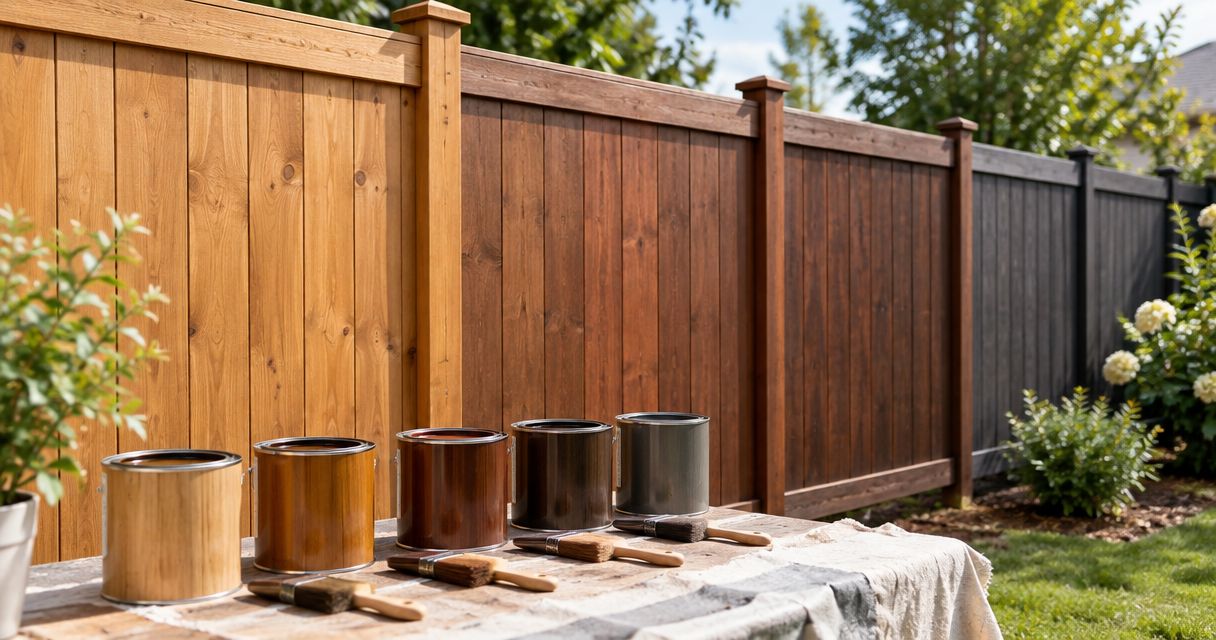
Best overall: cedar brown. Best for a contemporary yard: charcoal. Best for a subdued backdrop: weathered gray. The best fence stain colors for wood fences in 2026 depend on the wood, the existing finish, and how much grain you want to see.
- Cedar brown leads the best fence stain colors for wood fences when you want warmth and visible grain.
- Charcoal suits contemporary yards; weathered gray creates a quieter fence backdrop.
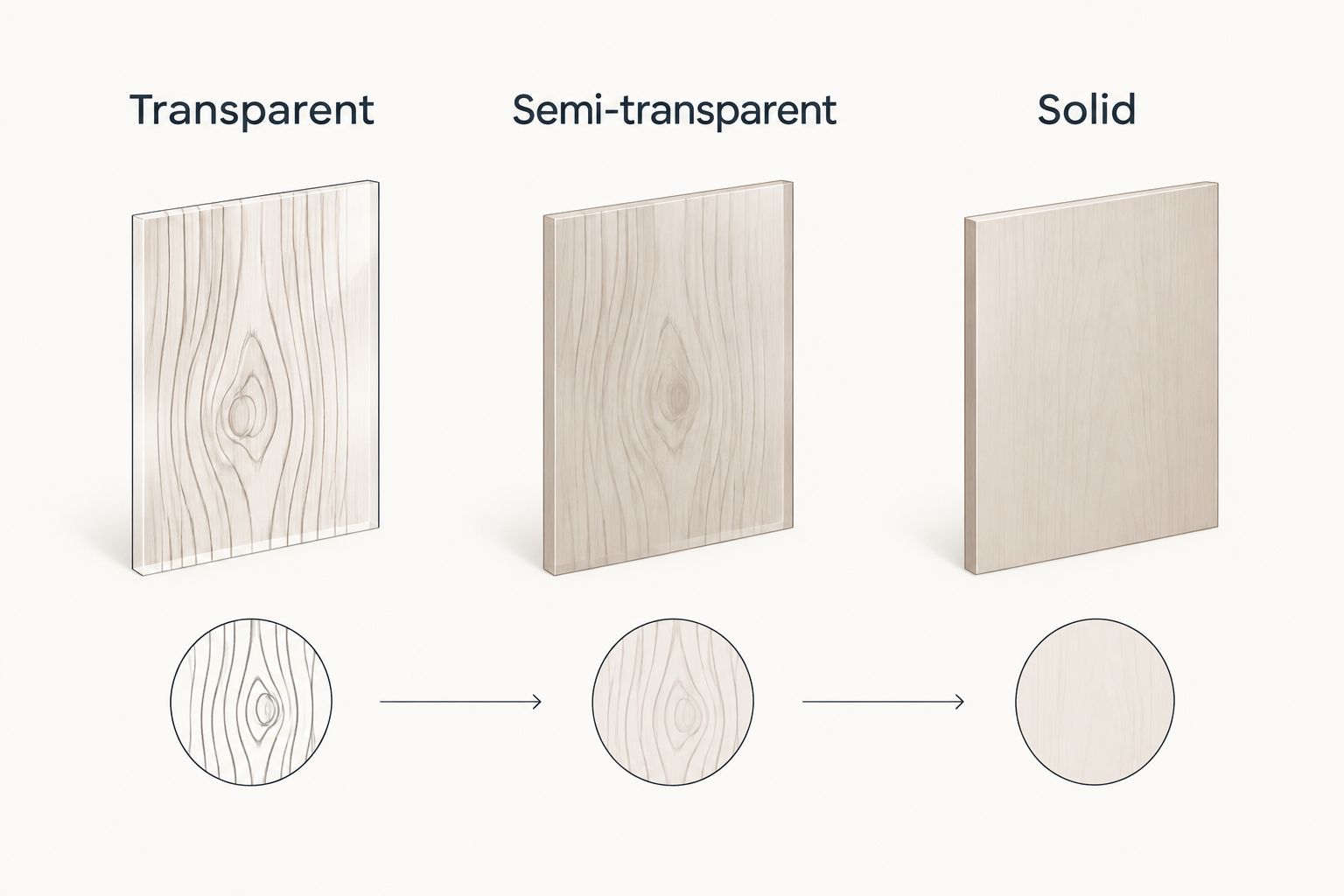
- Choose stain opacity separately from color: transparent, semi-transparent, and solid finishes produce different results.
- KB's Painting Services offers staining and fence restoration for homeowners in Pooler, Savannah, and surrounding Georgia communities.
Why this matters
A fence is a large background surface. A color that looks attractive on a small chip can become distracting when it stretches behind your lawn, patio, and planting beds. Choose the role of the fence before choosing the shade.
For your 2026 project, separate two decisions: color and opacity. Cedar brown describes a color family; semi-transparent describes how much of the wood remains visible. Neither tells you whether the finish suits your existing coating.
KB's Painting Services is a fence-staining option for homeowners in Pooler and Savannah who want contractor help with staining and restoration. You can review KB's Painting Services before deciding whether your project needs staining alone or repair and preparation first.
What makes the best fence stain color?
Judge each color against these criteria before comparing the ranked options:
- Wood appearance: Decide whether you want visible grain and natural variation or a more uniform surface.
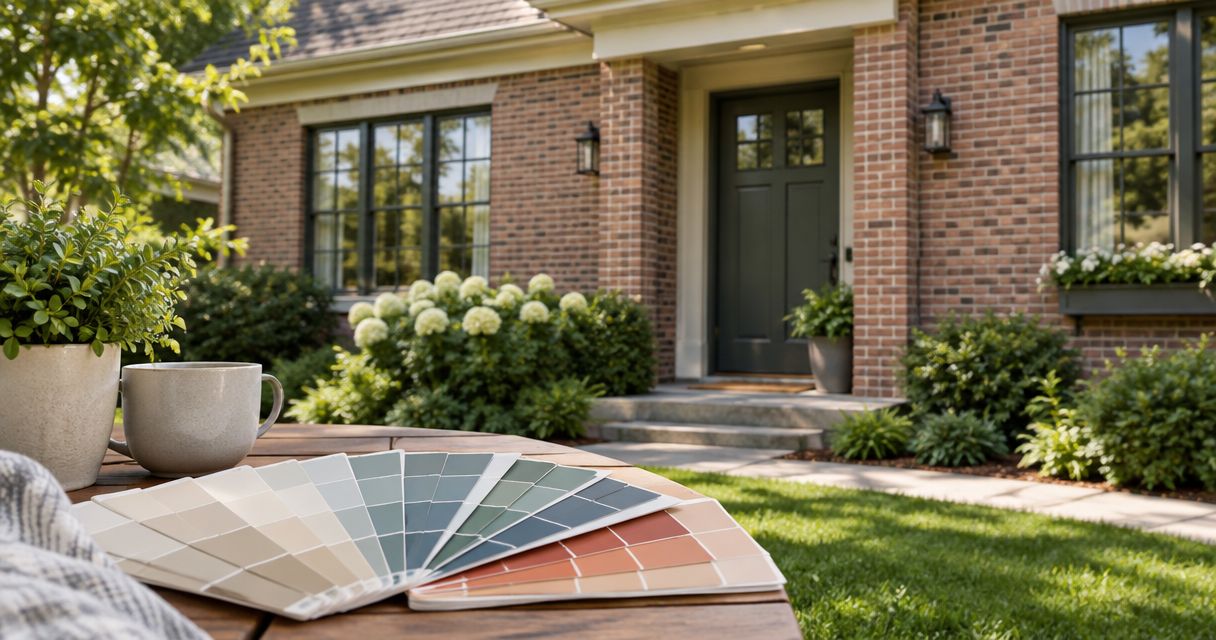
- House compatibility: Compare the sample with siding, masonry, trim, and the roof rather than matching one isolated detail.
- Landscape role: Choose whether the fence should frame the yard, recede behind plants, or become a deliberate feature.
- Existing finish: Check the current coating before selecting a new stain. Color cannot solve an incompatible coating system.
- Surface condition: Look for weathering, repairs, and replacement boards that will affect the result.
- Lighting: Evaluate the sample in sunlight and shade. Your fence will not look like an indoor color chip throughout the day.
A color earns its place by fitting your fence, not by looking fashionable on a sample card. The ranking below favors distinct design uses rather than claiming one shade works on every property.
Fence stain colors at a glance
| Rank and color | Best for | Standout feature | Key limitation |
|---|---|---|---|
| 1. Cedar brown | A balanced, natural-looking fence | Warm brown that complements visible wood grain | Can emphasize orange tones |
| 2. Walnut brown | Connecting a fence with darker exterior details | Deep brown with a traditional wood appearance | Adds visual weight to enclosed yards |
| 3. Weathered gray | A subdued backdrop for planting | Muted color with less warmth than brown | Can look flat beside other gray surfaces |
| 4. Charcoal | A contemporary garden boundary | Strong contrast with foliage and pale materials | Dominates when the surrounding palette is light |
| 5. Redwood | A deliberate warm accent | Noticeable red-brown character | Can compete with red brick or warm paving |
| 6. Honey brown | Keeping light wood visually bright | Golden warmth without a dark brown appearance | Can become too yellow against cool finishes |
1. Cedar brown: best fence stain color for natural warmth
Cedar brown gives a wood fence a warm, familiar appearance without making the color itself the main feature. In a semi-transparent finish, the grain and differences between boards remain part of the design. The name describes a shade family, not a requirement that your fence be made from cedar.
Cedar brown pros:
- Works as a starting point when you want a conventional wood appearance.
- Connects naturally with other warm wood elements in the yard.
- Lets visible grain contribute to the finished look when you choose a translucent stain.
Cedar brown cons:
- Orange undertones can clash with cooler siding or paving.
- Translucent versions do not conceal differences between replacement and weathered boards.
Best for: Homeowners who want a warm fence that supports the yard rather than becoming its centerpiece.
Compare the sample with your largest fixed exterior surface. If the brown reads orange beside the house, try a less golden shade within the same family rather than abandoning brown entirely.
Verdict: Buy cedar brown when you want the strongest starting point for a natural-looking fence.
2. Walnut brown: best fence stain color for darker exterior details
Walnut brown introduces a deeper brown appearance than honey or typical cedar tones. It suits a fence that needs to connect visually with dark trim, stained outdoor structures, or brown accents. With a translucent finish, the wood still contributes to the final color.
Walnut brown pros:
- Gives warm exterior palettes a darker coordinating option.
- Creates separation from pale paving and light siding.
- Keeps a recognizably brown wood appearance rather than shifting toward black.
Walnut brown cons:
- Can make a close boundary feel visually heavier.
- Does not automatically disguise uneven absorption or poor preparation.
Best for: Yards where dark brown is already part of the exterior palette.
Stand where you normally sit before approving the sample. A deeper brown viewed from a patio chair can feel different from the same shade viewed at the property entrance. Evaluate the fence as part of that everyday view.
Verdict: Buy walnut brown to connect existing dark details; skip it if your priority is a visually light boundary.
3. Weathered gray: best fence stain color for a quiet backdrop
Weathered gray shifts attention away from warm wood tones and toward the surrounding planting. It works as a subdued design choice when you want the fence to play a supporting role. Gray stains vary in undertone, so the label alone does not establish a match.
Weathered gray pros:
- Provides an alternative to orange, gold, and red-brown finishes.
- Coordinates with a restrained exterior palette.
- Gives green foliage a muted background.
Weathered gray cons:
- Can look washed out beside gray siding and paving.
- Blue or green undertones can become noticeable against nearby materials.
Best for: Gardens where planting, rather than the fence, should attract attention.
Do not assume naturally grayed wood and a gray stain will produce the same appearance. Existing discoloration and the stain's pigment both affect the result. Sample the actual fence after the preparation intended for the full job.
Verdict: Buy weathered gray for a quieter garden boundary; hold if the yard already lacks color contrast.
4. Charcoal: best fence stain color for contemporary contrast
Charcoal creates a deliberately dark boundary. Against pale hardscaping or green leaves, it produces a stronger contrast than the brown and gray options above. The result depends heavily on opacity: a solid charcoal finish and a translucent dark stain are different looks.
Charcoal pros:
- Creates a clear contrast with pale exterior materials.
- Makes the fence an intentional part of a contemporary palette.
- Offers a dark alternative without choosing a red-brown undertone.
Charcoal cons:
- Can dominate a yard surrounded by light surfaces.
- Solid versions conceal grain appearance rather than preserving it.
Best for: Homeowners who want a deliberate contemporary boundary, not a conventional wood look.
Treat charcoal as a design commitment. Check it beside gates, posts, and adjacent fencing rather than evaluating one isolated board. A dark panel surrounded by unfinished timber will not tell you how the complete boundary will read.
Verdict: Buy charcoal for deliberate contrast; skip it when visible natural wood color is your main goal.
5. Redwood: best fence stain color for a warm focal point
Redwood brings red-brown color to the fence rather than keeping the finish neutral. It belongs in a yard where warmth is intentional and the fence can carry some visual attention. A redwood shade does not mean the underlying timber is redwood.
Redwood pros:
- Adds a distinct warm accent to the yard.
- Coordinates with selected red-brown wood features.
- Separates the fence visually from cool gray surroundings.
Redwood cons:
- Can compete with red brick and warm-colored paving.
- Offers less flexibility when you later change surrounding accent colors.
Best for: A yard designed around a purposeful red-brown wood accent.
Look at the sample beside brick or stone before deciding. Two warm surfaces do not necessarily match; one can look pink while the other looks orange. Use the actual materials, not a memory of their colors.
Verdict: Buy redwood when you want visible warmth; skip it when the fence should recede.
6. Honey brown: best fence stain color for a lighter wood look
Honey brown keeps the color direction golden rather than deep brown. It suits a lighter wood appearance when the surface condition and selected stain allow that result. It is not a shortcut for turning a dark existing finish into a pale fence.
Honey brown pros:
- Adds warmth without choosing a deep brown shade.
- Supports a lighter wood-focused exterior palette.
- Keeps grain central to the design in translucent finishes.
Honey brown cons:
- Yellow undertones can conflict with cool white or gray surfaces.
- Light translucent finishes leave underlying discoloration visible.
Best for: Light-looking wood fences where golden warmth is a deliberate choice.
Judge honey brown on prepared wood, especially where the fence contains replacement boards. A sample applied to fresh timber does not establish how the same stain will look across an older boundary.
Verdict: Buy honey brown for a golden wood appearance; hold if your fence has a dark coating you intend to retain.
Color and opacity are separate decisions
For a 2026 fence-staining project, choose how much wood you want to see before narrowing the color family. A translucent brown on varied boards will not resemble a uniform solid brown finish.
| Finish type | Best for | Advantage | Limitation |
|---|---|---|---|
| Transparent | Keeping wood appearance central | Shows grain and natural color variation | Offers little concealment of visual differences |
| Semi-transparent | Adding color while retaining visible grain | Balances pigment with wood character | Shows differences in wood condition and absorption |
| Solid | Prioritizing a more uniform color | Conceals more of the underlying color variation | Conceals grain appearance and requires coating compatibility checks |
A solid stain does not repair damaged wood. Likewise, selecting a darker translucent shade does not guarantee that patched areas or replacement boards will disappear. Choose opacity for the appearance you want, then confirm that the coating suits the prepared surface.
How to choose your fence color in 2026
Use this sample process before committing to the full fence:
- Inspect the surface. Identify the existing finish, damaged areas, and replacement boards. Decide what preparation the coating requires.
- Prepare representative wood. Test on wood that reflects the fence's actual condition, using the intended preparation method.
- Compare candidates. Use 3 sample boards to compare your leading color with a warmer and a cooler alternative. Keep opacity consistent.
- Check the setting. Compare each sample in 2 lighting conditions: sunlight and shade. View it beside the house and from your usual outdoor seating area.
- Confirm the choice. Apply the finalist to 1 full fence board before approving the broader color direction. Follow the stain manufacturer's application and drying instructions.
These are sample-planning recommendations, not performance promises. Do not compare one wet sample with another dry sample; evaluate each after the drying period specified for that product.
KB's Painting Services offers staining and deck/fence restoration. For a contractor-led project, discuss preparation and the desired grain appearance together rather than requesting a color without defining the finish.
Discuss your fence staining project
Review your fence-staining and restoration needs in Pooler, Savannah, or surrounding Georgia communities.
How we ranked these colors
The 2026 ranking uses the criteria above: visible wood character, compatibility with fixed exterior materials, landscape role, and surface limitations. Cedar brown leads as the natural-looking starting point; the other colors occupy distinct design roles. This is a use-case ranking, not a durability comparison between stain products.
Which fence stain color should you choose?
Start with cedar brown if you are undecided. Choose walnut for darker coordinating details, weathered gray for a quieter planting backdrop, or charcoal for contemporary contrast. Redwood and honey brown belong where red or golden warmth is intentional.
For your 2026 decision, the prepared sample outranks the color name. Approve the shade on your own fence, beside your own exterior materials.
FAQ
What's the best fence stain color for a natural wood look?
Cedar brown is the default recommendation for a warm, natural-looking fence. Choose a translucent finish if visible grain matters, and approve a sample on the prepared fence.
Is gray fence stain better than brown?
Gray is better for a subdued backdrop; brown is better when you want visible warmth. Compare both against siding, paving, and planting rather than choosing from isolated color chips.
Should I choose charcoal for a small yard?
Choose charcoal when you want strong contrast, not simply because the yard is small. Evaluate a prepared sample from your seating area to decide whether the dark boundary feels appropriate.
Will a darker stain hide mismatched fence boards?
A darker translucent stain does not guarantee a uniform fence. Replacement boards and weathered boards can absorb stain differently; opacity and preparation matter alongside color.
Can I put a lighter stain over a dark fence?
A lighter translucent stain will not conceal a dark existing coating. Determine what coating is present and what preparation or removal the selected finish requires.
What's the difference between cedar brown and honey brown?
Cedar brown is a warm brown starting point, while honey brown emphasizes golden warmth. Exact shades vary by product and by the underlying wood, so compare prepared samples.
Does KB's Painting Services offer fence staining?
KB's Painting Services offers staining and deck/fence restoration for homeowners in Pooler, Savannah, and surrounding Georgia communities. Discuss the fence's condition and desired finish when planning the project.
One last thing
Keep your favorite sample beside the house, not on a workbench. The fence color has to fit the setting you see every day. In 2026, as with any fence-staining project, a well-prepared sample is a better decision tool than a color name.